
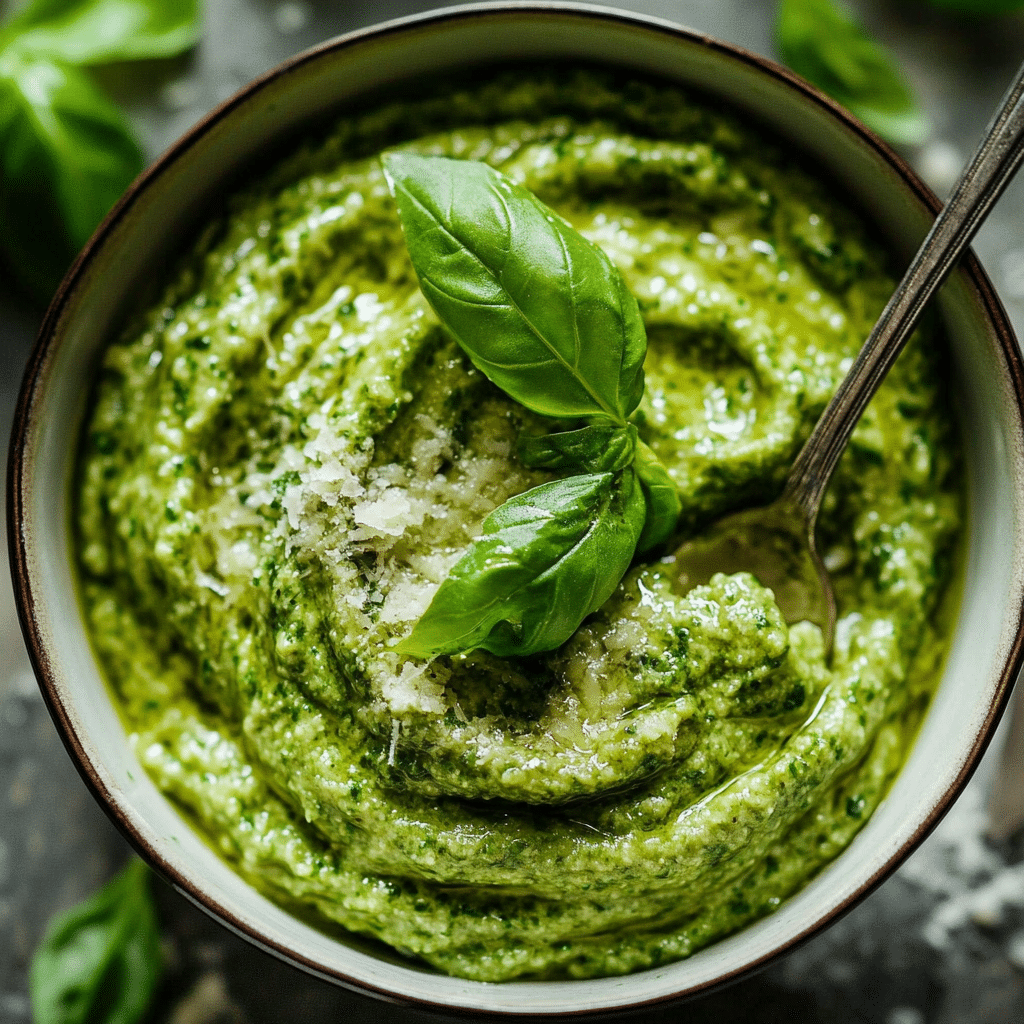
Pesto is one of those timeless, versatile condiments that instantly elevates any dish with its rich, herbaceous flavor. This Homemade Basil Pesto Recipe captures the classic Italian essence with fresh basil, toasted pine nuts, garlic, and a hint of lemon for brightness. Whether you’re tossing it with pasta, spreading it on sandwiches, or using it as a drizzle over roasted vegetables, this pesto delivers vibrant taste in every spoonful.
Making pesto from scratch allows you to control the quality of ingredients and customize it to your taste—creamier, nuttier, or cheesier, depending on your preferences. This version is quick to prepare and doesn’t require any special equipment beyond a food processor or blender. Plus, it stores beautifully, making it a great option to prepare ahead and enjoy throughout the week. It’s a simple yet luxurious sauce that showcases the best of fresh ingredients.
Why You’ll Love This Recipe
- Fresh, Bold Flavor: Homemade basil pesto is far more flavorful than store-bought varieties, with a vibrant green color and a rich, aromatic taste.
- Customizable: Whether you want to make it vegan, nut-free, or dairy-free, this pesto can easily be adapted to your dietary needs.
- Quick and Easy: With just a few ingredients and a food processor, this recipe comes together in minutes.
- Versatile Use: Perfect for pasta, sandwiches, grilled meats, or even as a pizza base.
- Make-Ahead Friendly: Pesto can be stored in the fridge or freezer, so you can have it on hand whenever you need a flavor boost.
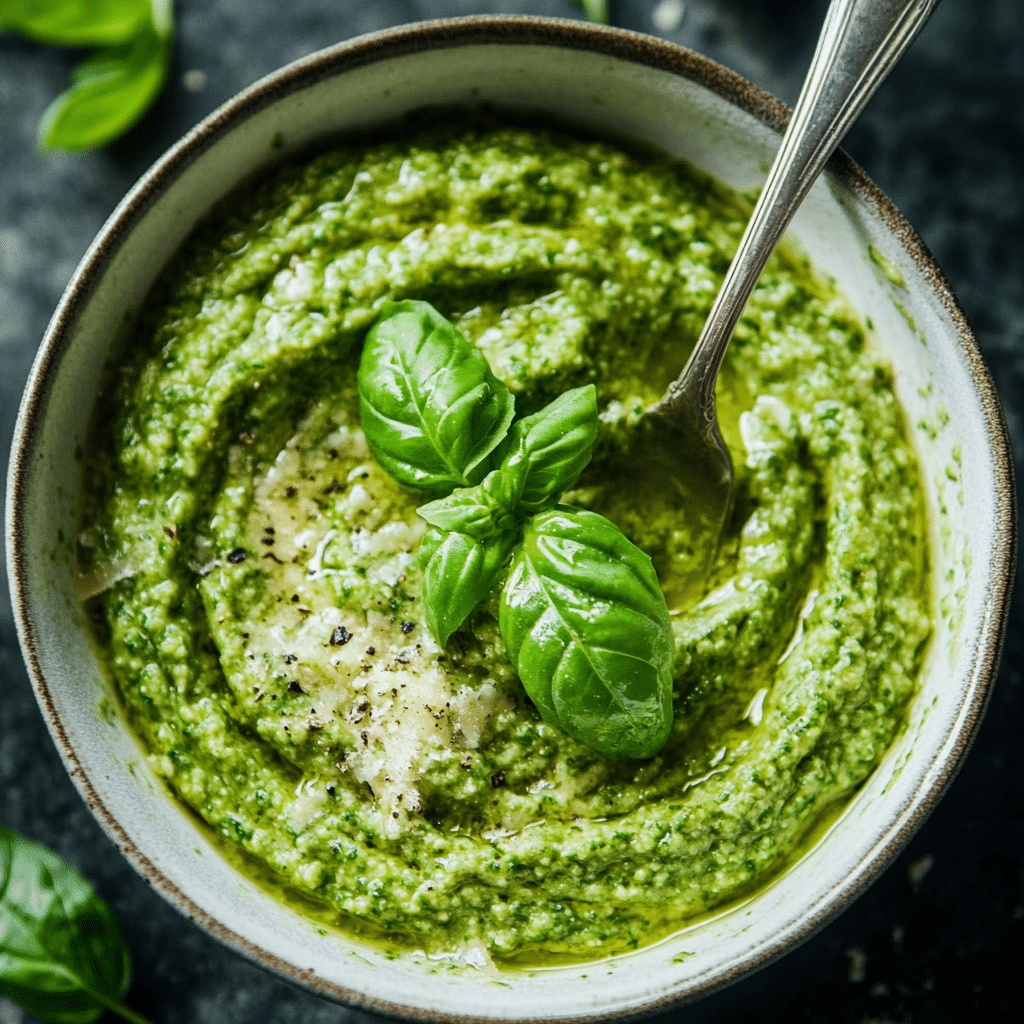
Ingredients
- Toasted pine nuts
- Fresh lemon juice
- Garlic clove
- Sea salt
- Freshly ground black pepper
- Fresh basil leaves
- Extra-virgin olive oil
- Freshly grated Parmesan cheese (optional)
Variations
Make it Dairy-Free
Omit the Parmesan cheese and add a tablespoon of nutritional yeast for a cheesy flavor that’s vegan-friendly.
Use Different Nuts
Swap pine nuts with walnuts, almonds, or cashews for a different flavor profile. Each nut adds its own character and richness.
Add Greens
Boost the nutritional value by blending in spinach, kale, or arugula. This also helps stretch your basil supply if it’s limited.
Spicy Pesto
Add a pinch of red pepper flakes or a small chili pepper to give your pesto a spicy kick.
Creamy Pesto
Mix the finished pesto with a spoonful of Greek yogurt, sour cream, or cream cheese for a creamy spread or dip.
How to Make the Recipe
Step 1
Add toasted pine nuts, lemon juice, garlic, sea salt, and a few cracks of freshly ground black pepper to a food processor or blender. Pulse until finely chopped.
Step 2
Add the fresh basil leaves and pulse again until the mixture is well combined and broken down.
Step 3
While the machine is running, slowly stream in the olive oil. Blend until the pesto reaches your desired consistency—add more oil for a smoother sauce.
Step 4
Add the grated Parmesan cheese (if using) and pulse briefly to combine. Taste and adjust seasoning with more salt or lemon juice if needed.
Step 5
Use immediately or transfer to a sealed container. Drizzle a thin layer of olive oil over the top to preserve the color if storing.
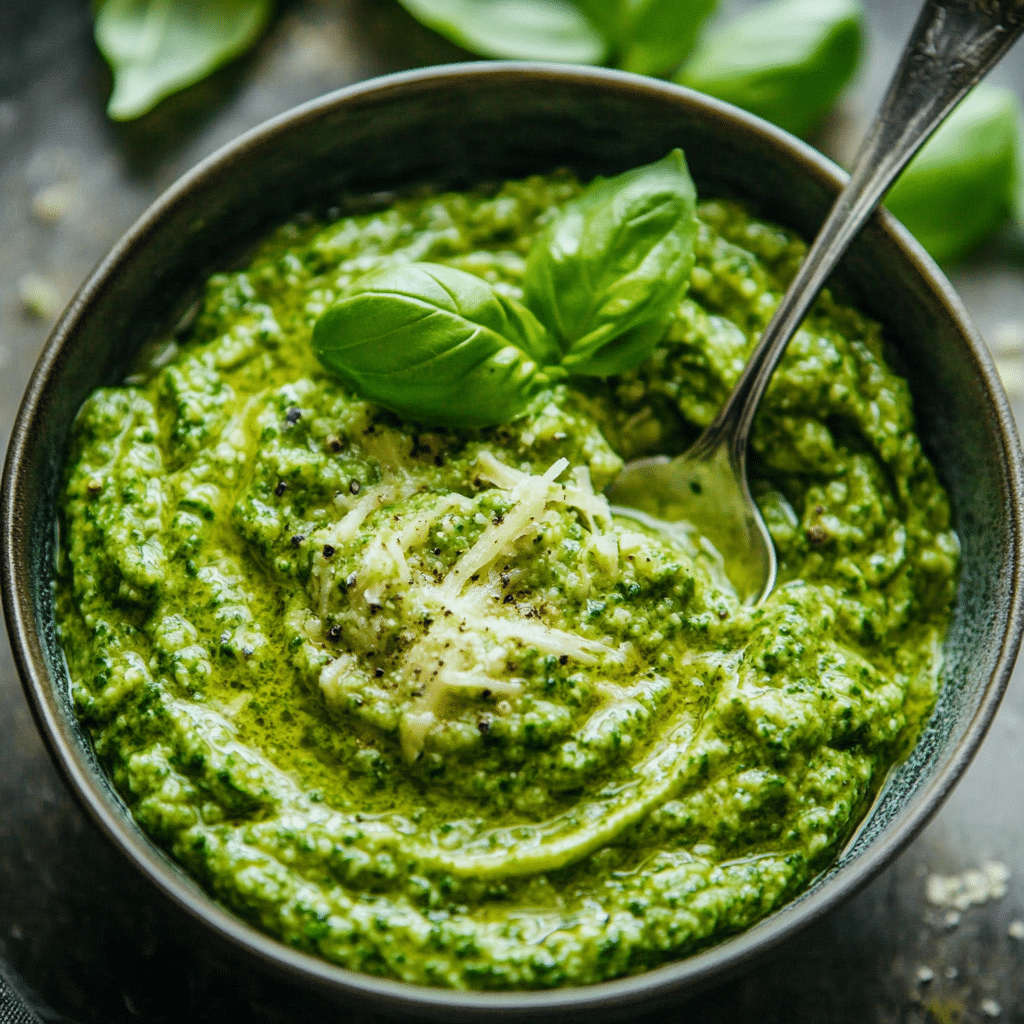
Tips for Making the Recipe
- Use Fresh Basil: Fresh, vibrant basil leaves make all the difference in flavor. Avoid wilted or bruised leaves.
- Toast Your Pine Nuts: Toasting enhances the nutty flavor and adds depth. Be careful not to burn them.
- Use High-Quality Olive Oil: Since olive oil is a major component, opt for good quality extra virgin olive oil for the best taste.
- Balance the Flavors: Taste as you go and adjust the salt, lemon juice, or garlic to achieve a balanced flavor.
- Preserve the Color: A thin layer of olive oil over the surface of stored pesto helps prevent oxidation and keeps it bright green.
How to Serve
Homemade basil pesto pairs beautifully with pasta—simply toss with hot, cooked pasta and a splash of reserved pasta water. It also works as a flavorful spread for sandwiches and wraps, a base sauce for pizzas, or a dip for bread and vegetables. Drizzle it over grilled chicken, seafood, or roasted vegetables to add a punch of fresh flavor. You can even mix it into salad dressings, soups, or grain bowls for a herby finish.
Make Ahead and Storage
Storing Leftovers
Store pesto in an airtight container in the refrigerator for up to 5 days. Pour a thin layer of olive oil over the top to minimize air contact and preserve freshness.
Freezing
Pesto freezes well. Pour into ice cube trays or small containers and freeze for individual portions. Once frozen, transfer cubes to a freezer-safe bag or container and use within 3 months.
Reheating
Pesto is best used cold or at room temperature. If mixing into a hot dish like pasta, the heat of the food is usually enough to warm it through. Avoid boiling or direct heating as it can dull the flavor and color.
FAQs
1. Can I make pesto without a food processor?
Yes, you can use a blender or even a mortar and pestle for a more traditional texture.
2. What can I use instead of pine nuts?
Walnuts, almonds, cashews, or even sunflower seeds are great alternatives.
3. Is pesto supposed to be served hot or cold?
Pesto is typically served at room temperature or slightly warmed by the dish it’s added to, such as hot pasta.
4. Can I freeze pesto with cheese in it?
Yes, though some prefer to freeze it without the cheese and stir it in fresh when thawed. Either way works.
5. How long does homemade pesto last?
Refrigerated, it lasts up to 5 days. Frozen, it can be stored for up to 3 months.
6. Can I use dried basil?
Fresh basil is essential for pesto. Dried basil won’t provide the same flavor or texture.
7. What does lemon juice do in pesto?
Lemon juice brightens the flavor and helps preserve the green color.
8. How do I keep pesto from turning brown?
Store it with a thin layer of olive oil on top and minimize air exposure.
9. Is pesto gluten-free?
Yes, this recipe is naturally gluten-free, but always check labels on packaged ingredients to be sure.
10. Can I make pesto vegan?
Absolutely. Omit the cheese or replace it with nutritional yeast for a vegan version.
Conclusion
This Homemade Basil Pesto is a classic, flavorful sauce that’s incredibly easy to make and endlessly versatile. Whether you’re adding it to pasta, drizzling it over vegetables, or spreading it on a sandwich, it brings a burst of fresh, herbaceous flavor that enhances any dish. With just a few simple ingredients, you can create a sauce that’s both elegant and comforting. Make a batch today and enjoy the taste of fresh basil all week long.